Jump to:
Trying to conceive can bring up a lot of questions especially around timing and ovulation tests are one of the most helpful tools to reduce the guesswork and feel more in control of your cycle
What Is An Ovulation Test And How Does It Work
Ovulation tests also called ovulation predictor kits work by detecting a surge of luteinising hormone LH in your urine. This hormone rises shortly before ovulation usually 24 to 36 hours before an egg is released. A positive result means your most fertile window is opening and it is a great time to try to conceive.
When Should You Take An Ovulation Test
The best time to take an ovulation test depends on the length of your menstrual cycle rather than the calendar date.
If You Have A Regular Cycle
Most people ovulate about 14 days before their next period. If you have a 28 day cycle start testing around day 11 or 12.
If Your Cycle Is Longer Or Shorter
Count backwards 14 days from when your period usually starts and begin testing 3 to 4 days before that
If Your Cycle Is Irregular
Start testing earlier and continue daily until you see a positive result. Consistency matters more than perfection.
What Time Of Day Is Best For Testing
Unlike pregnancy tests ovulation tests are usually most accurate in the afternoon or early evening. LH tends to surge later in the day so testing between 12 pm and 8 pm can give clearer results. Try to test at the same time each day and avoid excessive fluids beforehand.
How Long Do You Ovulate For
Ovulation itself is brief usually 12 to 24 hours. However sperm can live in the body for up to five days. That means your fertile window lasts around five to six days with the highest chance of conception in the two days before ovulation and the day of ovulation itself
How To Read Your Ovulation Test Results
Most strip tests compare the test line to a control line
✿ A positive result means the test line is as dark or darker than the control line indicating an LH surge
✿ A negative result means the test line is lighter and ovulation has not yet occurred
✿ Digital tests may show a smiley face or clear symbol when the surge is detected
Once you see a positive result ovulation is likely to occur within the next one to two days
Common Mistakes To Avoid
✿ Testing too early or too late in your cycle
✿ Drinking too much water before testing which can dilute LH
✿ Assuming one negative test means you missed ovulation
✿ Not continuing to test daily during your fertile window
Supporting Your Cycle While Trying To Conceive
Ovulation testing works best when paired with overall cycle support and nourishment
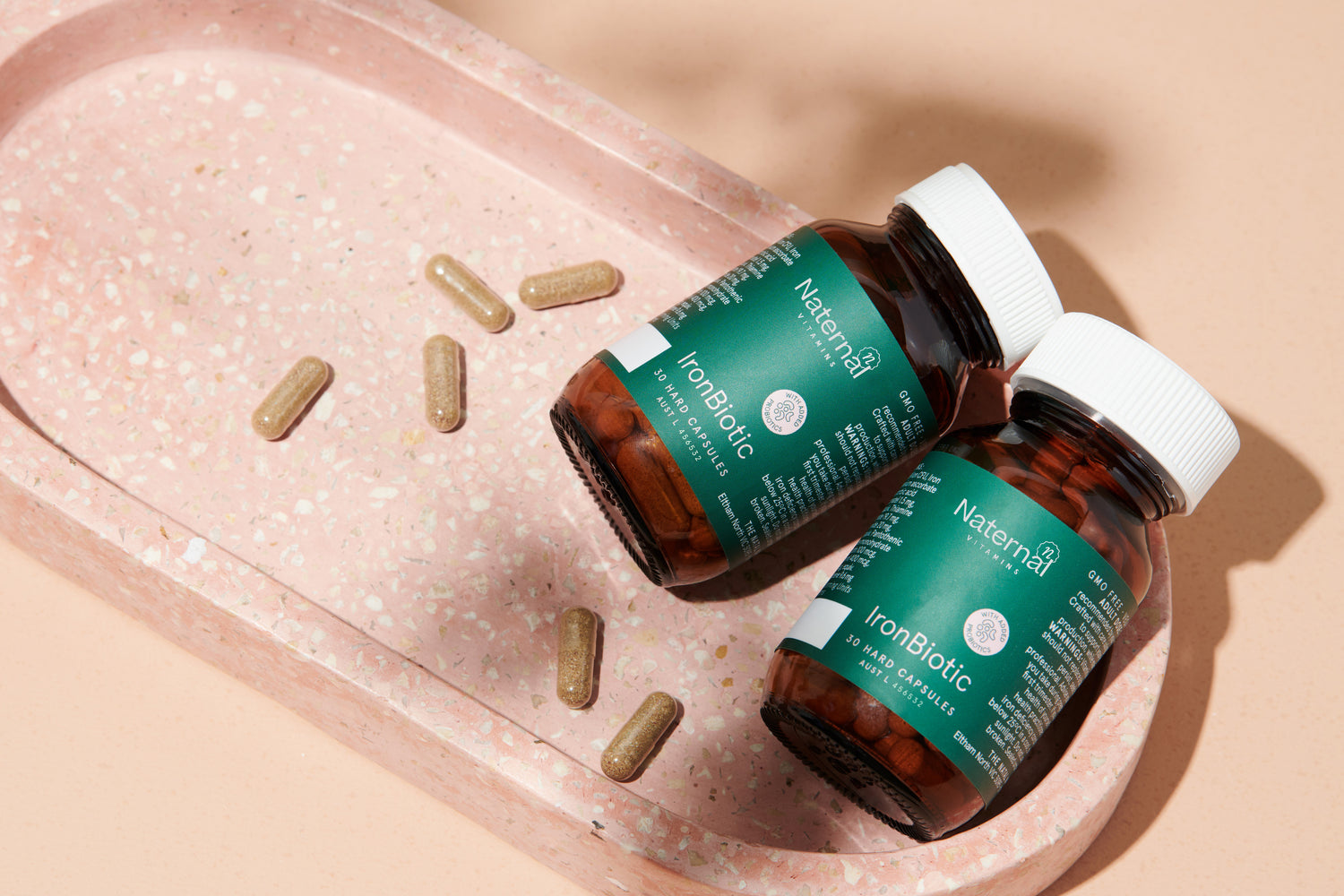
Many women focus on prenatal support and full body nourishment early in their journey and options like prenatal support can help fill common nutritional gaps while preparing for pregnancy. Listening to your body tracking patterns and staying consistent can make the process feel calmer and more empowering
References
✿ health.gov.au. (2023). Ovulation and the menstrual cycle. Australian Government Department of Health.
✿ healthdirect.gov.au. (2023). Ovulation predictor kits. Healthdirect Australia.
✿ NIH. (2022). Ovulation and fertility. National Institutes of Health.
✿ Mayo Clinic. (2023). Ovulation predictor kits. Mayo Clinic.