A gentle honest conversation about postpartum bodies
Your body does something extraordinary during birth and it is completely normal for your vagina and vulva to feel and look different afterwards
So many mums worry something is wrong when in reality most changes are expected temporary and part of healing
This guide is here to normalise what happens after a vaginal birth and to help you feel supported informed and reassured
Common vaginal changes after childbirth
Postpartum bleeding and discharge
Bleeding after birth called lochia is your body shedding excess tissue and blood
It can last several weeks and change from bright red to brown or yellow over time
What can help
✿ Rest whenever possible
✿ Use maternity pads rather than tampons
✿ Stay well hydrated to support circulation and healing
Vaginal soreness swelling and tenderness
Soreness is extremely common especially in the first few weeks
Swelling bruising or tenderness may come from stretching tearing or stitches
Gentle comfort tips
✿ Cold packs wrapped in cloth
✿ Sitz baths with warm water
✿ Lying down to reduce pressure on the pelvic area
Tearing stitches and healing skin
Many women experience some degree of tearing during a vaginal birth
This can affect the perineum labia or vaginal opening
Healing usually progresses well with time
Keeping the area clean dry and supported nutritionally can make a big difference
Foundational pregnancy support nutrients that continue into postpartum such as those found in full body nourishment can help support recovery during this phase
Changes in vaginal size or elasticity
It is very common to feel looser or different after birth
This does not mean permanent damage
Muscle tone often improves gradually over months especially with pelvic floor exercises
Helpful reminders
✿ Healing takes time
✿ Sensation and strength often return
✿ Every body recovers at its own pace
Pelvic floor weakness or heaviness
Some mums notice leaking heaviness or a dragging sensation
This can be linked to pelvic floor strain
Pelvic floor physios are an excellent resource and early support can be very effective
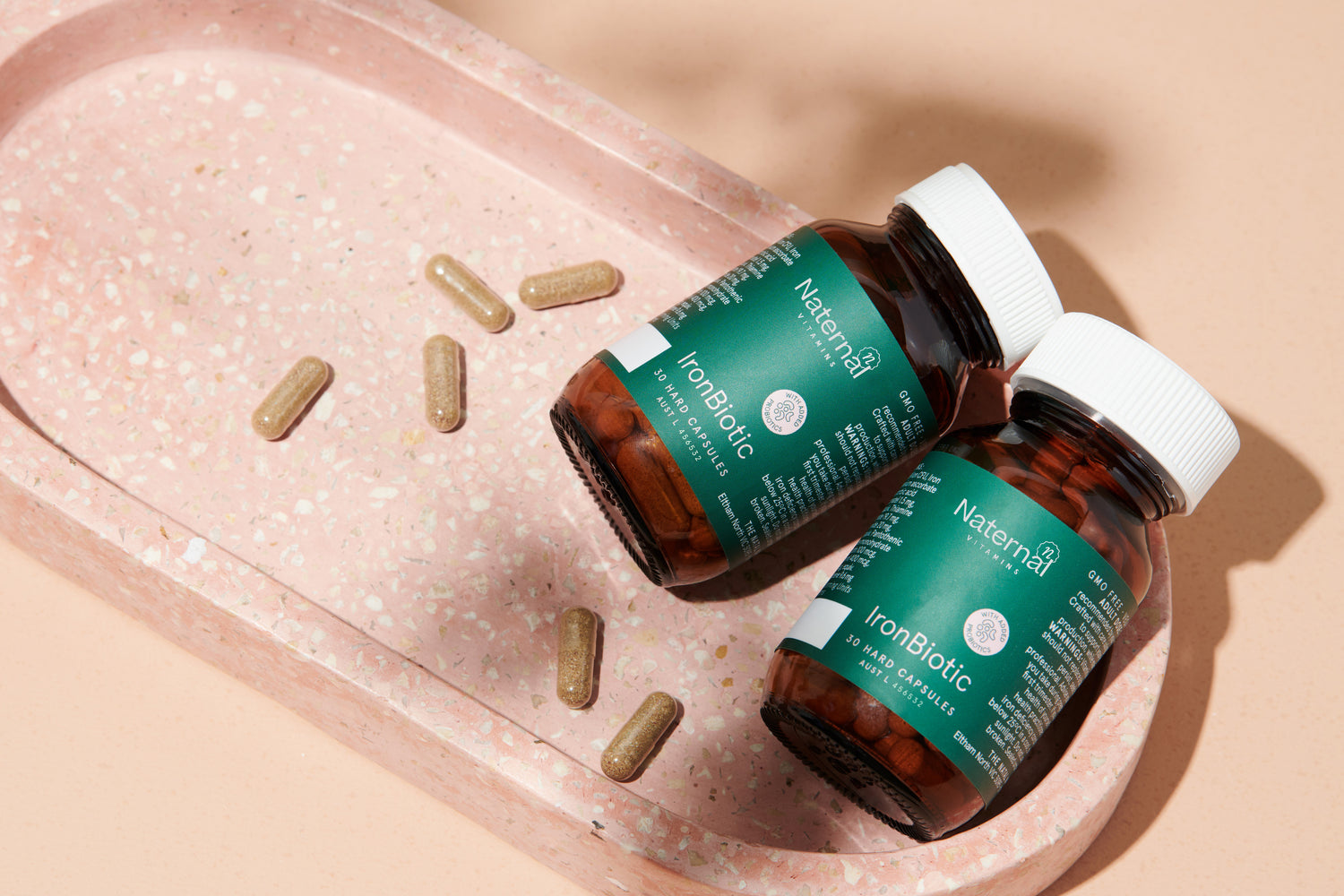
Supporting energy levels and fatigue can also matter especially when iron stores are low and gut tolerance is important such as with energy support
Vaginal dryness and hormonal shifts
Lower oestrogen levels especially during breastfeeding can cause dryness or discomfort during intimacy
This is common and usually temporary
What can help
✿ Water based lubricants
✿ Gentle communication with your partner
✿ Patience with your body as hormones rebalance
Labia appearance changes
Labia may look darker fuller or asymmetrical after birth
These changes are very common and usually harmless
Swelling often reduces over time though some differences may remain
Supporting healing from the inside out
Postpartum recovery is not just about rest but also nourishment stress support and gentle movement
Magnesium plays a role in muscle relaxation stress response and mitochondrial energy which can be supported through muscle recovery during this physically demanding season
Vitamin D also supports immune health and tissue repair and is often low in new mums particularly those spending less time outdoors
Simple options like vitamin D drops can help support absorption and daily consistency
When to seek extra support
Reach out to your GP midwife or women’s health physio if you notice
✿ Severe or worsening pain
✿ Signs of infection such as fever or unusual discharge
✿ Ongoing incontinence or pelvic heaviness
✿ Emotional distress linked to body changes
You deserve care reassurance and evidence informed guidance during postpartum recovery
Credits
✿ Australian Government Department of Health. (2023). Pregnancy birth and baby recovery after childbirth. health.gov.au
✿ Healthdirect Australia. (2022). Vaginal changes after birth. healthdirect.gov.au
✿ Mayo Clinic. (2023). Postpartum care after vaginal delivery. Mayo Clinic
✿ Naternal Vitamins. (2024). Product education and formulation information. Naternal Vitamins website