Jump to:
Hormones quietly shape almost every part of your wellbeing. From your energy levels and mood to your menstrual cycle, sleep, skin, digestion and fertility, they are the body’s tiny but powerful messengers.
If you have ever wondered how to balance hormones, how to check for hormonal imbalance, or why you feel “off” despite doing all the right things, this guide will walk you through it in a clear and supportive way.
Let’s break it down gently and simply.
What Are Hormones and Why Do They Matter?
Hormones are chemical messengers produced by glands in your endocrine system. They travel through your bloodstream and tell organs and tissues what to do.
They regulate:
✿ Your menstrual cycle and ovulation
✿ Pregnancy and postpartum changes
✿ Metabolism and weight regulation
✿ Mood and stress response
✿ Sleep patterns
✿ Energy production
✿ Growth and development
✿ Immune function
When hormones are balanced, your body feels steady and resilient. When they are out of sync, symptoms can show up in subtle or obvious ways.
The Main Hormones You Should Know
Oestrogen
Oestrogen supports your menstrual cycle, bone density, skin elasticity and cardiovascular health. It rises and falls throughout your cycle and shifts significantly during pregnancy and perimenopause.
Low oestrogen may contribute to irregular cycles, low mood or vaginal dryness. High oestrogen can be linked to heavy periods, breast tenderness and bloating.
Progesterone
Progesterone supports the second half of your cycle and plays a key role in pregnancy. It has a calming effect on the nervous system.
Low progesterone may present as anxiety before your period, spotting before menstruation or difficulty maintaining pregnancy.
Prolactin
Prolactin is best known for supporting milk production after birth, but it also influences ovulation and menstrual regularity. Elevated prolactin can sometimes affect cycles or fertility. For a deeper exploration of this often overlooked hormone, see this article on prolactin from The Natal Naturopath.
Thyroid Hormones
Your thyroid hormones control metabolism, temperature regulation and energy production. Imbalances may cause fatigue, weight changes, hair thinning or mood shifts.
Cortisol
Cortisol is your primary stress hormone. In short bursts it is protective. Chronically elevated cortisol can disrupt sleep, blood sugar balance and reproductive hormones.
Insulin
Insulin regulates blood glucose levels. Ongoing imbalances may contribute to fatigue, cravings and conditions such as PCOS.
Hormone Imbalance Symptoms to Watch For
Hormone imbalance symptoms can look different for everyone. Some common signs include:
✿ Irregular or painful periods
✿ Severe PMS or mood swings
✿ Persistent fatigue
✿ Brain fog
✿ Sleep disruption
✿ Unexplained weight gain
✿ Hair thinning
✿ Acne in adulthood
✿ Low libido
If symptoms are ongoing or disruptive, it is worth speaking with your GP. According to Healthdirect Australia, blood tests are often used to check hormone levels depending on your symptoms and cycle timing.
How Do You Check for Hormonal Imbalance?
Your doctor may recommend:
✿ Blood tests for thyroid hormones, oestrogen, progesterone, prolactin or iron levels
✿ Cycle tracking to assess ovulation patterns
✿ Ultrasound imaging if PCOS is suspected
✿ Additional metabolic testing where needed
Testing is most helpful when guided by symptoms, rather than random screening.
How Do You Fix Hormonal Imbalance?
There is no one size fits all answer. Hormonal health is deeply connected to nutrition, stress, gut health, sleep and micronutrient status.
Here are foundational steps that make a real difference.
Nourish Your Body with Targeted Nutrients
Nutritional deficiencies can amplify hormone imbalance symptoms.
If you are trying to conceive, pregnant or simply seeking gentle prenatal support, comprehensive micronutrient coverage can help stabilise energy, support thyroid function and maintain healthy hormone production.
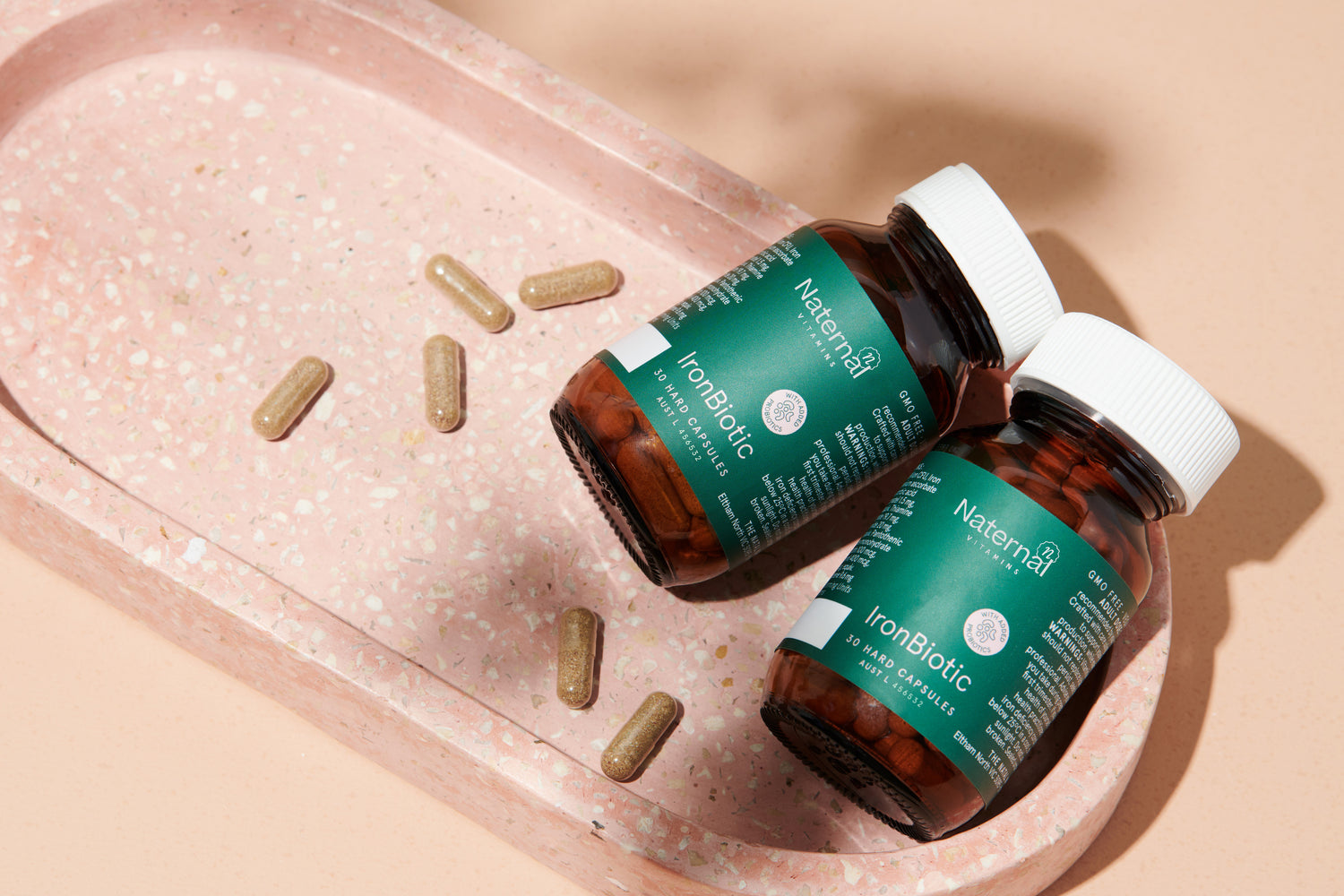
Iron deficiency is particularly common in menstruating women and may worsen fatigue and brain fog. Supporting iron levels and gut health through iron supplementation can be transformative when low ferritin is involved.
Magnesium plays a key role in stress regulation, muscle relaxation and mitochondrial energy production. Targeted magnesium support may help ease PMS symptoms and improve sleep quality.
Vitamin D is another crucial hormone like nutrient involved in immune function, mood balance and reproductive health. If levels are low, daily vitamin D drops may support optimal absorption.
Support Blood Sugar Balance
Stable blood sugar helps stabilise cortisol and reproductive hormones.
Focus on:
✿ Protein at every meal
✿ Healthy fats such as olive oil and avocado
✿ Fibre rich vegetables
✿ Minimising refined sugars
The Australian Dietary Guidelines from health.gov.au emphasise whole foods and balanced meals to support metabolic health.
Manage Stress Gently and Consistently
Chronic stress can suppress ovulation and disrupt progesterone production.
Support your nervous system with:
✿ Daily sunlight exposure
✿ Gentle movement such as walking or yoga
✿ Consistent sleep routines
✿ Deep breathing or mindfulness
Research from the NIH highlights the close link between stress physiology and reproductive hormone regulation.
Prioritise Sleep
Your hormones reset while you sleep. Aim for seven to nine hours per night where possible.
Create a wind down routine and reduce blue light exposure in the evening.
When Medical Support Is Needed
Sometimes lifestyle changes alone are not enough. Conditions such as PCOS, thyroid disorders or hyperprolactinaemia may require medical treatment.
Always work collaboratively with your healthcare provider if symptoms are significant or persistent.
A Gentle Reminder
Hormones are dynamic. They shift across your menstrual cycle, during pregnancy, postpartum and throughout perimenopause. Needing support does not mean your body is failing. It often means it needs nourishment, rest and personalised care.
Credits
✿ Australian Government Department of Health. (2023). Hormones and endocrine health. health.gov.au
✿ Healthdirect Australia. (2022). Hormone blood tests. healthdirect.gov.au
✿ National Institutes of Health. (2021). Stress and reproductive hormones. NIH