Jump to:
The holiday season is a beautiful mix of celebration, connection, and long summer days - but it can also be one of the busiest, most draining times of the year. Between social events, late nights, work deadlines, family commitments, and the emotional load that often sits on women’s shoulders, it’s no surprise that many of us reach January feeling overstretched rather than refreshed.
But it doesn’t have to be that way.
With a little intention and a gentle focus on wellbeing, it’s entirely possible to enjoy everything you love about Christmas while still caring for your body and mind. Here’s how to stay healthy during the holiday season, without restriction, guilt, or missing out on the moments that matter.
Why the Holiday Season Can Affect Your Health
The festive season brings joy, but it also brings change - to routines, sleep, eating patterns, hydration, and stress. Warm Australian summers can affect energy, concentration, and hydration levels. Late nights can influence cognitive function and mood. And busier days often mean nourishing choices slip down the priority list.
Understanding these shifts helps you approach the season more mindfully and with strategies that genuinely support your wellbeing.
Tip 1. Prioritise Nourishing Foods (Most of the Time)
With Christmas lunches, dinners, and celebrations scattered throughout December, it’s completely normal for your eating routine to feel a little less structured. Instead of aiming for perfection, focus on consuming nutrient-dense meals most of the time.
A good rule of thumb: build your plate around protein, colourful vegetables, whole grains, and healthy fats where you can. These foods support energy, digestion, and stabilise blood sugar levels, helping you feel full and satisfied throughout the day.
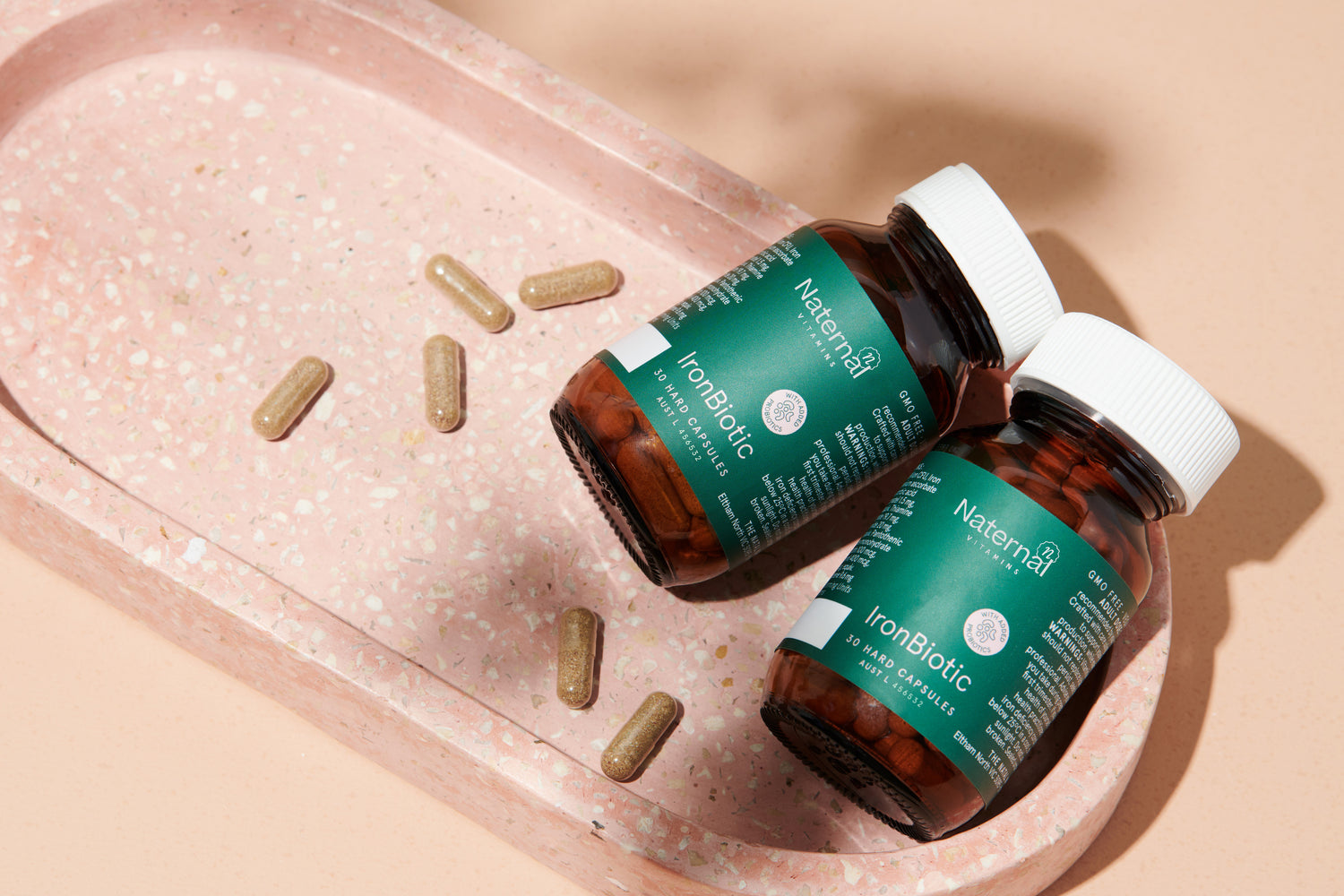
Iron can also play an important role in how energised you feel during busy periods. Low iron stores are common among women and can contribute to fatigue and reduced cognitive performance1,2 A simple blood test can check your levels. Ensuring your diet is rich in iron or supplementing if you need extra support can help to maintain energy levels.
If you're struggling to raise iron levels despite supplementation, this article explores the most common reasons why.
Tip 2. Stay Hydrated in the Summer Heat
While the rest of the world braces for a winter Christmas, Australian summers bring heat, humidity, and often much more time outdoors. This makes hydration essential. Even mild dehydration can leave you feeling sluggish, headachy, or foggy, all things that can take away from enjoying the season.
A few simple habits can help:
-
Carry a reusable water bottle with you
-
Drink a glass of water before your morning coffee
-
Eat hydrating foods like watermelon, cucumber, oranges, or berries
Hydration also goes hand in hand with magnesium. Magnesium supports healthy muscle contraction, nerve function, and electrolyte balance 3, which is especially valuable during warmer temperatures, when we lose more electrolytes through sweat.
To learn more about why magnesium matters for women’s health, read this article.
Tip 3. Protect Your Energy with Rest & Recovery
Sleep is one of the most powerful foundations for wellbeing, yet it’s often the first thing to slip during the festive season. Quality rest helps regulate your mood, strengthens your immune system, and supports cognitive clarity.
If your schedule is full, try incorporating small but meaningful habits:
-
Keep a consistent wake-up time
-
Create a simple wind-down routine (even 10 minutes helps)
-
Reduce screen time before bed
-
Include gentle stretching or magnesium supplementation, which has been shown to support sleep quality
If you're not sure whether you may be low in magnesium (a common contributor to poor sleep and stress), you can explore eight unexpected signs of magnesium deficiency here.
DHA can also support brain, cognitive, and nervous system health, helping you maintain clarity, reaction time, and emotional balance during demanding periods 6,7,8.
For breastfeeding mothers who prefer plant-based omega-3 sources, this article may be helpful
Tip 4. Set Healthy Boundaries to Reduce Stress
The holiday season often comes with emotional expectations - hosting, giving, organising, showing up. It’s no surprise that stress levels rise, even during what should be a joyful time. Setting boundaries isn’t about saying “no” to everything. It’s about saying “yes” more intentionally, creating space for rest, and protecting your energy.
This might look like:
-
Saying yes more slowly
-
Choosing fewer commitments
-
Asking for support rather than doing it all yourself
-
Creating a little quiet time before or after big gatherings
Magnesium supplementation may also support stress regulation. Research suggests it plays a role in moderating the body’s stress response and may help to reduce anxiety too.
To better understand how magnesium supports mood and stress resilience, read this article.
Tip 5. Keep Your Body Moving (In Ways That Feel Good)
Movement shouldn’t feel like another item on your December to-do list. Instead, think of it instead as something that supports your mood, digestion, and sleep.
Short bursts of movement can be enough to help you feel more balanced and energised:
-
A morning walk
-
A quick yoga or Pilates flow
Swimming at the beach -
Stretching before bed
When movement feels flexible and enjoyable, it becomes easier to keep it consistent during a busy season.